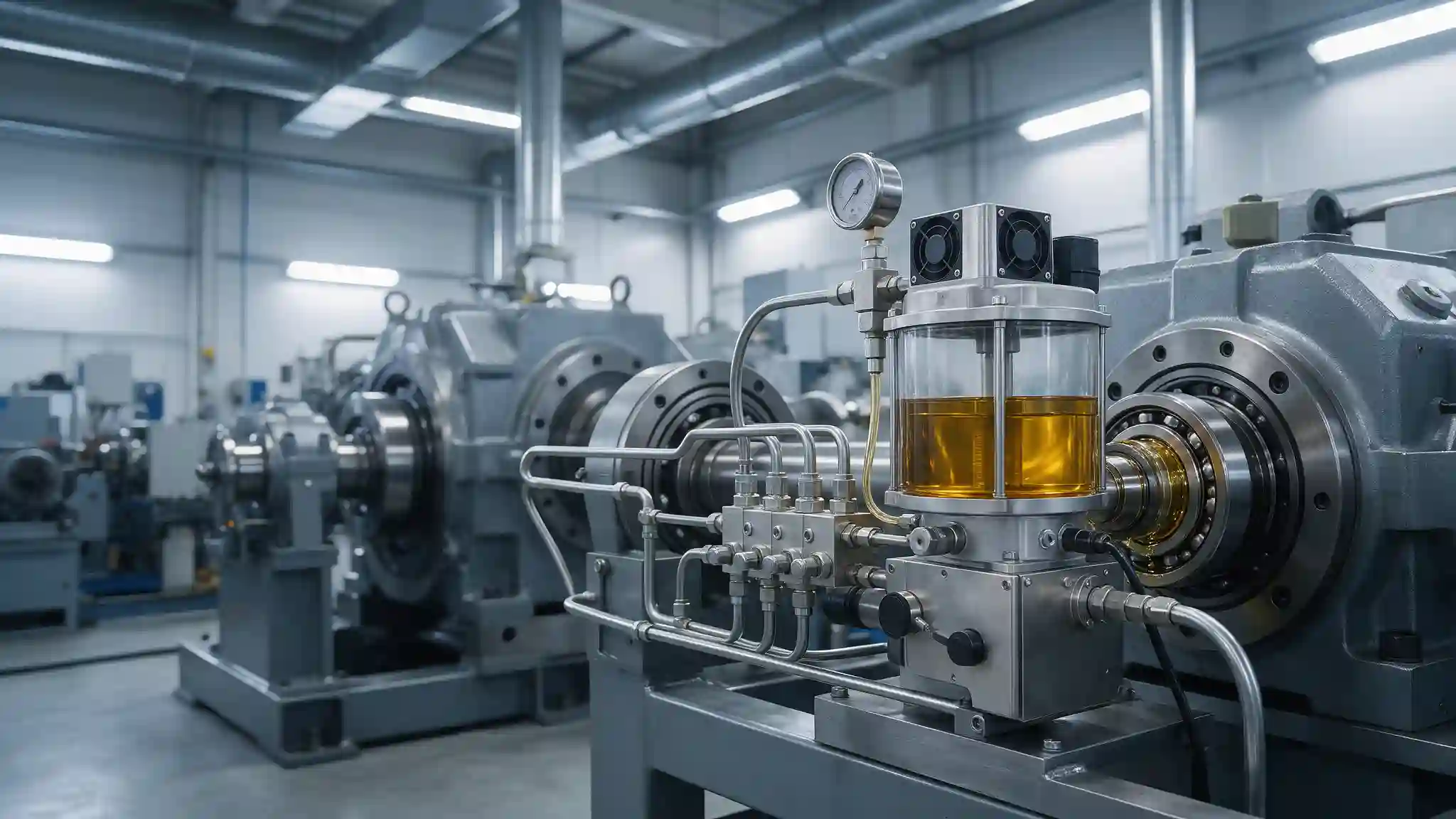
Machines do not complain until they break. Then they say loudly, "I complain!Then they say, "I complain! When a bearing is dry or the oil is running low, an entire production line can come to a halt, and one of the things that costs is money. Controlled lubrication eliminates this by placing lubricant where it's needed, when it's needed and as needed.
An Oil Lubricator is where it springs into action. A system engineered to ensure the delivery of oil to moving parts without guesswork. In this blog, you will learn how an Industrial Oil Lubricator works, the different types of oil lubricators, where they are used and how to select the right oil lubricator for your Oil Lubrication System.
What Is an Oil Lubricator?
Imagine a tech who is going around hitting 40 bearings before the shift is over, with an oil can. One will be missed. Always does. An Oil Lubricator relieves the technician from that responsibility by automatically supplying a controlled amount of oil to each moving part, and to the correct part and at the right time.
A strong Industrial Oil Lubricator helps to prevent the grinding down of your bearings, gears, chains and shafts. Whether it is a small gearbox or a long conveyor, this type of Oil Lubrication Equipment operates without a loud sound, so you don't hear about as many breakdowns and receive as many emergency calls.
How does an oil lubricator work?
Once you see the sequence, it's easy to understand how the working principle will be applied. Let's look at how oil flows through a typical Oil Lubrication System:
- The supply tank is a reservoir for holding oil.
- This oil is pumped and fed to the lines.
- The flow is subdivided in metering units and the precise amount for each metering point is determined.
- The oil measured goes to bearings, gears or chains through distribution lines.
- The oil is supplied at the lubrication point and provides a protective film.
Used oil is returned to the reservoir via tank return oil lines for some systems. This is the heart of the oil Lubricator Working Principle and this is what makes a Machine Lubrication System much more consistent than manual oil lubrication. Each point receives just what it requires and not an excess nor a deficiency.
Main Components of an Oil Lubrication System
These components make up a complete set of Lubrication Equipment:
- A tank that collects oil when it is clean.
- Oil Lubrication Pump to generate flow
- Filter to remove dirt and particles
- Provide feed lines to transport oil
- Implementing units to ensure the right amounts
- Devices to control, or monitor, the timing and operation.
- Oil access points on the machine.
These all affect the reliability of the Industrial Lubrication System. It can be thrown off by a blocked filter or a pump that is too small for the pump, so make sure that every part is the correct fit.
Main Types of Oil Lubricators Used in Industry
No single design will be the right one for all machines. There are several types of oil lubricators to choose from and the selection would vary based on the machinery, operating environment, oil flow, pressure and lubrication requirements. The principle configurations are: Let's go over the steps:
Forced Oil Lubrication System
In many machines, certain parts are inaccessible to oil. A Forced Oil Lubrication System does that by fitting a pump to the system which forces oil through the lines at predetermined pressure directly to the precise location it is required. It's a favorite of turbines, compressors and heavy gearboxes. Pressure Oil Lubrication does not rely on splash to provide the lubrication. Oil flows consistently, even at low and high speeds and under load.
Oil Circulating System
In an Oil Circulating System, the oil is circulated in a loop. The oil from the reservoir flows to the lubrication points and returns to the reservoir where it is filtered and circulated back to the points. This Circulating Oil Lubrication System is effective for continuous running machinery as the constant flow also cleans dirt and heat from the machine. It's widely used in rolling mills, large gearboxes and cement plants where it is impossible to stop and re-oil.
Automatic Oil Lubricators
Automatic Oil Lubricators provide oil at a controlled time, without any people intervening. The pump is triggered by a timer or controller and metering units give the correct amount at each point. This Automatic Oil Lubrication system eliminates the need for manual rounds, the loss of oil and oiling items, and the loss of consistency in the quantity of oil delivered from one shift to another. It's useful for machines that have numerous lubrication points or for those that are difficult to access.
Automatic Oil Grease Lubricators
Both oil- and grease-based lubricants are available in a single automated system with Automatic Oil Grease Lubricators. Oil suits high speed components such as gears and chains, and grease is for slow running, heavy duty bearings. They are part of a larger Automatic lubrication system, and they automatically lubricate points at an appropriate time to ensure that both types of points are lubricated at the right time without requiring manual effort.
Industrial Uses of Oil Lubricators
Oil lubricators are found anywhere metal rubs metal. Common applications include:
- Bearings used in motors, fans, and pumps.
- Heavy torque gears and gearboxes.
- Chains on conveyors and material handling lines
- Machines such as lathes and milling machines
- Compressors and production machinery that are continuously in use
- Other moving equipment like slides, shafts and guideways
Industrial machinery lubrication reduces friction, controls the heat and decreases the need for emergency repairs. Any distance between the cylinder and the ring can cause heat, noise and unnecessary shut downs. An Oil Lubrication System that works reliably also results in less time for operators in manual rounds and more time in production. Technodrop Engineers systems strive to achieve just that – longevity of parts and constant productivity.
Industries That Use Oil Lubrication Systems
Oil lubrication is not restricted to any specific sector. Dependable Oil Lubrication Equipment supports:
- Steel rolling and casting equipment is loaded heavily in steel plants.
- Cement plants, including kilns, crushers and mills
- Power generation turbines and auxiliary drives
- Mines subjected to dust and harsh environment.
- General manufacturing units, heavy engineering units
- Applications where industrial automation lines must be lubricated on a regular basis and repeated.
No one design fits all sectors: there are different load challenges, temperature challenges, and contamination challenges for each sector of the world. Oil Lubricator Buyers should understand with which industry the system is intended for use when comparing Oil Lubricator Manufacturers like Technodrop Engineers.
How to Select the Right Oil Lubricator for Your Machinery
It can be difficult to get right, or you could over- or under-lubricate. Both hurt. Check these factors before you pick an Oil Lubricator:
- Type of machine and lubrication system used.
- The viscosity of oil the system will be able to handle.
- Flow requirement for each point
- Operating pressure of the system
- Number of lubrication points
- Factors in the work situation, including heat, dust, moisture, etc.
- The required degree of automation.
Typically an Automatic Oil Lubricator would be more practical if you are handling lots of points or multiple shifts. Always compare specifications to the machine manufacturer's instructions. The matching of the system to the duty cycle is the most important.
The Selection of Industrial Systems and Oil Lubricators
Not all the suppliers provide the same level of support. When considering a Lubrication System Manufacturer, consider:
- Engineering capability to design for your machine
- Self-contained and designed to integrate with your current system.Works with your current system.
- Specialized setup for your specific oil type and setup
- Pre and post installation technical support is provided.
- Knowledge about an application's requirements.
If you are looking for Oil Lubricator Manufacturers in India or comparing the products from various regions, inquire about application references, rather than just catalogues. The price is usually not the only determining factor. Technodrop Engineers operates with lubrication systems for heavy machinery, which is definitely worth investigating.
Conclusion
The right Oil Lubricator is more than just a source of oil. It safeguards parts, minimizes downtime and ensures uniform lubricant delivery between shifts. Forced, circulating or automatic delivery must all be based on your machine's actual needs. A properly matched industrial oil lubrication system keeps the industrial machines reliable for a long period of time. Every little bit helps to save a lot of money.
|
Planning an upgrade? Consult with a lubrication expert such as Technodrop Engineers , and obtain a system for your equipment. |
Frequently Asked Questions About Oil Lubricators
1. What is an oil lubricator used for?
An oil lubricator delivers controlled amounts of oil to bearings, gears, chains, shafts, and other moving parts, reducing friction and wear while keeping machinery running.
2. How does an oil lubricator work?
The oil lubricator working principle is simple: oil is stored, pumped, metered, distributed, and delivered to each lubrication point in set quantities.
3. What is a forced oil lubrication system?
A forced oil lubrication system uses a pump to deliver pressurized oil to critical components, ensuring steady lubrication where gravity or splash methods fall short.
4. What is the difference between an oil circulating system and an automatic oil lubricator?
An oil circulating system recirculates oil through a loop and back to the tank, while automatic oil lubricators release measured oil at set intervals without manual input.
5. Which industries commonly use oil lubricators?
Steel, cement, mining, power, heavy engineering, general manufacturing, and automation plants commonly rely on an industrial lubrication system to protect their machinery.
6. How do I choose the right oil lubricator for industrial machinery?
Consider flow rate, viscosity, pressure, number of lubrication points, duty cycle, machine design, and operating environment, then match them to the right oil lubricator for industrial machinery lubrication.