A complete guide to how industrial greasing systems work, their types, benefits, and applications
Industrial machines are constantly exposed to friction, pressure, vibration, and changes in temperature. Correct lubrication is crucial to ensure equipment functions properly and to prolong the life of components. Grease Lubrication Systems are a controlled way to lubricate moving components such as bearings, joints, gears, and other friction points. These systems enhance lubricant distribution and maintenance efficiency compared to manual lubrication practices.
A modern Industrial Lubrication System can be centralized, automatic, or portable, giving industries the flexibility to choose a solution based on machine design, operating conditions, lubrication frequency, and the number of lubrication points.
The Basics of Grease Lubrication Systems
Grease Lubrication Systems are mechanical systems for holding, pumping, and supplying grease to selected lubrication points. They play a significant role in Grease Lubrication Equipment, especially in machinery with multiple bearings, joints, and moving parts.
The system is designed to keep the appropriate amount of lubricant between moving parts, preventing excessive friction and wear. A system can serve a single lubrication point or many points across an application. Techno Drop Engineers is the best choice when we talk about the lubricants; it considers these key features.
Key considerations for system selection include:
- The number of lubrication points
- The size and type of machinery being used
- Required lubrication frequency
- The temperatures and pressures at which the unit operates
- The type and consistency of the grease to be used
- Accessibility of the lubrication points
How Grease Lubrication Works
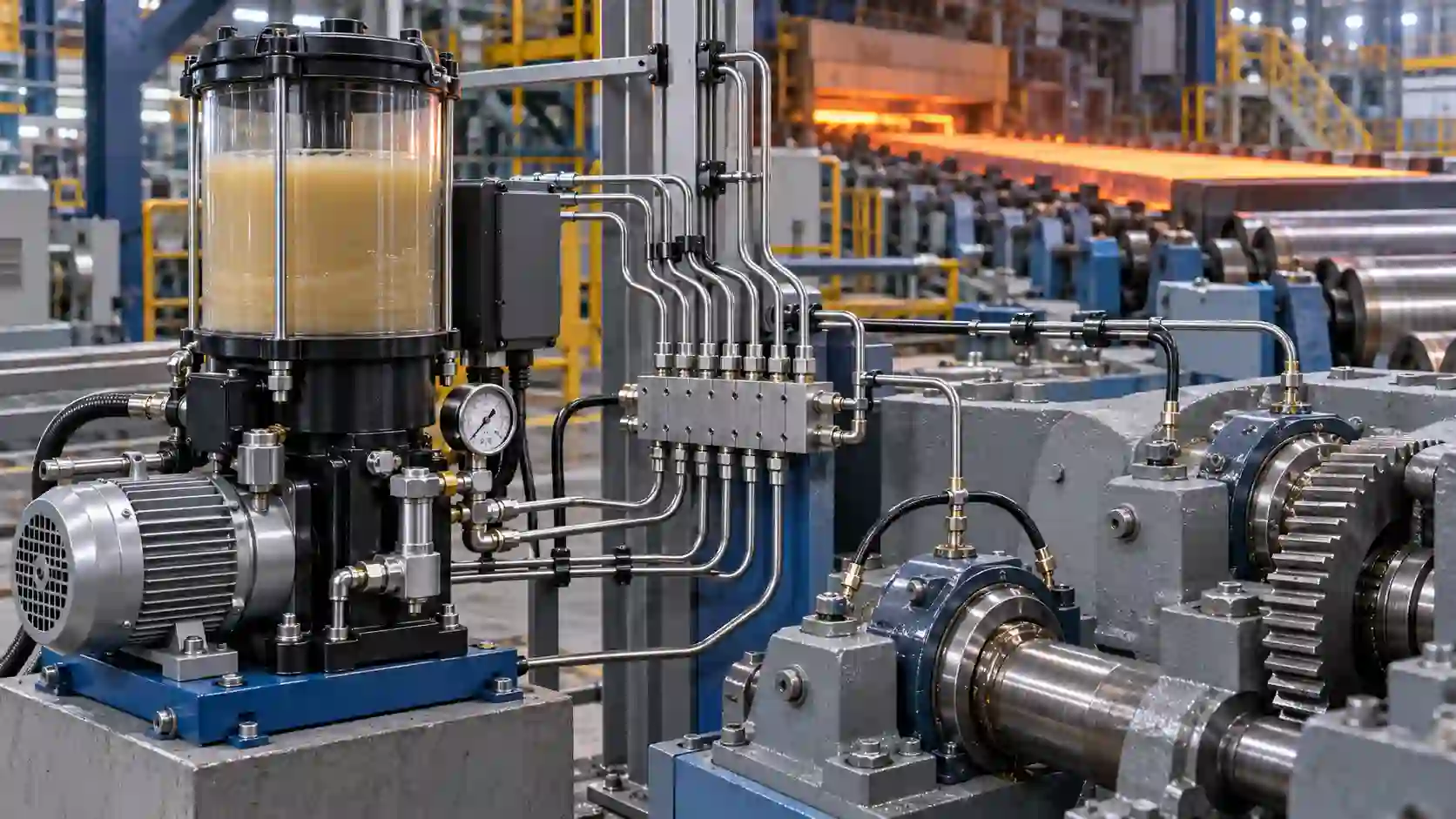
The process begins with a reservoir loaded with the proper grease. A pump extracts grease from the reservoir, providing enough pressure to send it through pipes, hoses, and distribution parts.
Metering devices then control the amount of grease delivered to individual lubrication points. An Automatic Grease Lubrication System allows controllers to set the frequency and quantity of grease delivered — a controlled process that ensures bearings, joints, and other key components are lubricated at the right time, without relying entirely on manual lubrication.
Grease Pump, Reservoir, and Grease Machine
The lubricant is stored in the reservoir, with the grease pump providing the pressure needed to move it. A grease machine is designed to provide pumping and grease-handling capability for controlled delivery.
| Component | Function |
|---|---|
| Grease Reservoir | Stores the lubricant |
| Grease Pump | Creates the pressure needed for delivery |
| Control Unit | Manages and controls lubrication cycles |
| Monitoring/Pressure Elements | Applies pressure and monitors the system as necessary |
These make up the integral components of Grease Lubrication Equipment.
Lubrication Points and Distribution Lines
A Grease Distribution System transports grease from the pump to individual lubrication points using pipes, hoses, distributors, and metering devices.
These components help:
- Regulate lubricant flow
- Deliver grease to specified parts
- Maintain consistent distribution
- Link several lubrication points together (multi-point lubrication)
Good Industrial Lubrication Systems ensure the effective movement of lubricant to the correct parts.
Main Types of Grease Lubrication Systems
The right lubrication arrangement depends on the design of the machinery, operating conditions, the number of lubrication points, and maintenance requirements. There are three common types: centralized, automatic, and portable. An Industrial Grease Lubrication System can be designed for single machines, production lines, conveyors, or heavy industrial equipment.
1. Centralised Grease Lubrication Systems
A Centralized Grease Lubrication System has a main grease pump and/or reservoir that delivers grease to multiple lubrication points through connected distribution lines.
This arrangement is recommended for:
- Machinery with several lubrication points
- Components that are difficult to access
- Large industrial equipment
- Equipment that needs frequent lubrication
Centralised Grease Lubrication System manufacturers design systems based on machine layout, grease requirements, operating conditions, and the number of lubrication points.
2.Automatic Grease Lubrication Systems
An Automatic Grease Lubrication System provides predetermined amounts of grease at predetermined intervals or as programmed.
It is useful for:
- Continuously operating machinery
- Equipment with hard-to-access lubrication points
- Machinery that needs frequent lubrication
- Applications requiring regular grease application
An Automatic Greasing System reduces the need for frequent manual greasing and helps maintain lubrication schedules.
3.Portable Greasing Systems
Portable systems offer flexibility in grease delivery for maintenance staff working on various machines or at various locations. A portable solution can be transported between equipment and connected to individual lubrication points as needed.
Portable Grease Lubrication Equipment is especially convenient for:
- Mobile machinery
- Maintenance workshops
- Equipment without a built-in lubrication system
- Occasional or maintenance lubrication needs
Benefits of Grease Lubrication Systems
The right Grease Lubrication Systems offer a number of operational and maintenance benefits—reduced friction and part wear, along with consistent lubrication practices through controlled grease delivery.
| Benefits | Impact |
|---|---|
| Controlled lubricant delivery | Reduces wear and tear on components |
| Consistent lubrication intervals | Improves lubrication efficiency and reliability |
| Easier maintenance | Improved access to hard-to-reach lubrication areas |
Lower Friction and Component Wear
A well-conceived Grease Lubrication System provides lubricant between moving and contacting surfaces, minimizing friction and metal-to-metal contact.
Properly lubricated components enjoy protection, including:
- Bearings
- Joints
- Gears
- Bushings
- Other moving components
Quality Machinery Lubrication System practices ensure smooth machine operation and contribute to better performance under extreme service conditions. Regularly changing the grease and cleaning the equipment also helps keep it lubricated and easier to maintain.
An Automatic Grease Lubrication System offers controlled amounts of grease at regular intervals, helping minimize manual intervention.
This is especially helpful for equipment with a large number of lubrication points, as it can:
- Minimize manual greasing
- Improve lubrication consistency
- Support scheduled maintenance
- Reduce difficulty in accessing lubrication points
Trivia About Grease Lubrication Systems
1: Grease isn't just a thicker form of oil—it's typically composed of base oil, thickener, and performance additives that give it a semi-solid consistency.
2: An Automatic Greasing System doesn't necessarily mean continuous grease flow. Many systems deliver small, controlled amounts at regular, preset intervals.
3: More grease doesn't always mean better lubrication. Over-greasing in some applications can lead to higher bearing temperatures, increased energy consumption, and excess bearing pressure.
Industrial Applications
In industries where machines are subjected to heavy load, continuous operation, vibration, dust, or harsh environmental conditions, Grease Lubrication Systems are widely used.
Common applications include:
- Steel plants
- Cement factories
- Mining operations
- Manufacturing facilities
- Conveyor systems
- Crushers
- Heavy industrial equipment
- Automated production machinery
An Industrial Grease Lubrication System can be used to lubricate bearings, joints, shafts, gears, and other moving parts.
-
Steel, Cement, and Mining Machinery
Steel, cement, and mining equipment are usually subject to heavy loads, vibration, dust, and continuous working cycles. Grease Lubrication Systems can be used for crushers, conveyors, bearings, kilns, mills, and heavy-duty material-handling equipment. A good Machinery Lubrication System solution assists in delivering grease to critical components that need periodic lubrication in demanding operating conditions.
-
Manufacturing and Automated Equipment
Lubrication systems are applied to production machines, automated equipment, bearings, conveyor systems, and moving assemblies in manufacturing facilities. Industrial Lubrication Systems deliver controlled lubrication to several components, and an Automatic Grease Lubrication System is particularly beneficial for machinery that runs around the clock and needs lubrication at regular intervals.
How to Choose the Right Grease Lubrication System
Choosing the appropriate Grease Lubrication Systems requires careful consideration of the machine and its operating environment.
Keep in mind:
- The number of lubrication points
- The availability and accessibility of parts
- Required grease quantity
- Operating temperature and pressure
- The relationship between machine speed and duty cycle
- The type and consistency of the grease
- Required lubrication frequency
- Reservoir and pump capacity
- Distribution-line configuration
A Centralized Grease Lubrication System or automated solution generally works best for equipment with multiple or inaccessible lubrication points, while portable equipment may be better suited to smaller or mobile applications.
Why an Experienced Supplier Matters
Due to lubrication needs vary widely across machines and industries, it is crucial to choose an experienced supplier. Reliable manufacturers of Grease Lubrication Systems can advise on equipment configuration, grease requirements, operating conditions, and lubrication points.
A proven supplier will also offer:
- Application-specific recommendations
- Customized distribution arrangements
- Technical guidance and installation assistance
- Spare parts and maintenance support
- After-sales service
Buyers should look beyond price alone and also weigh compatibility, manufacturing capability, product quality, technical information, and long-term maintenance service.
What to Look for in a Manufacturer or Dealer
When choosing Grease Lubrication System trusted dealers or manufacturers in India, like Techno Drop Engineers consider:
- Manufacturing capabilities and technical specifications
- Product range and customization options
- Application knowledge and installation support
- After-sales service and spare-parts availability
- Technical assistance
For sophisticated applications, Centralised Grease Lubrication System manufacturers should understand the machine layout and design a distribution system appropriate to the required lubrication points.
Frequently Asked Questions
1. What is a Centralized Grease Lubrication System?
A centralized grease lubrication system supplies grease from a common pump or reservoir to multiple lubrication points through distribution lines.
2. How does an Automatic Grease Lubrication System work?
It automatically delivers predetermined amounts of grease at scheduled intervals, reducing the need for frequent manual lubrication.
3. What are the main benefits of Grease Lubrication Systems?
They provide consistent lubrication, reduce friction and component wear, simplify maintenance, and improve access to hard-to-reach lubrication points.
4. Where are Industrial Lubrication Systems commonly used?
They are widely used in steel plants, cement factories, mining operations, manufacturing facilities, conveyors, crushers, and other heavy machinery.
5. How do I choose the right Grease Lubrication System?
Consider the number of lubrication points, grease type, operating temperature and pressure, lubrication frequency, pump capacity, and machine duty cycle.
6. Why should I choose an experienced Grease Lubrication System manufacturer?
An experienced manufacturer Techno Drop Engineers can provide application-specific solutions, customized distribution systems, installation support, spare parts, and after-sales service.
Conclusion
Grease Lubrication Systems are a practical way to supply the required amount of grease in a controlled manner to critical machine parts. Portable, centralized, and automated systems each have their own merits, depending on equipment design, lubrication type and volume, operating conditions, and maintenance needs. It is very important to choose a trusted brand like Techno Drop Engineers to avoid any kind of fluctuations.
A well-designed Industrial Grease Lubrication System is a valuable part of any strong machinery maintenance program for demanding industrial applications.
Improve lubrication efficiency, reduce wear, and simplify maintenance with the right solution for your machinery.
|
Contact Techno Drop Engineers for expert guidance and a customized Grease Lubrication System. |