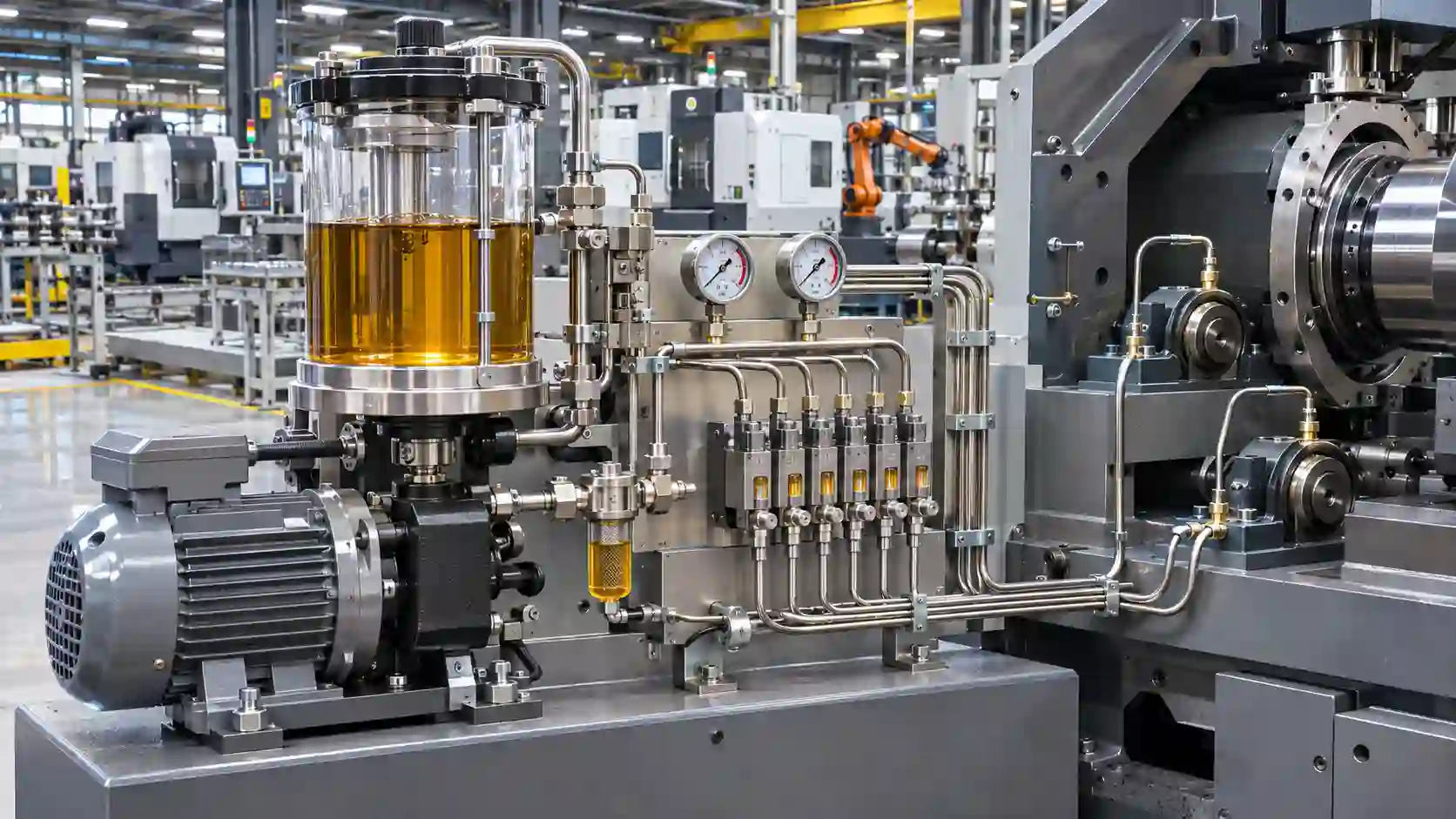
A machine never warns before breaking down. It just runs a bit warmer, a bit noisier and then stops. When a machine is not working properly, most of the reasons are quite straightforward. The moving parts are not getting enough lubrication at the right moment. In the midst of a flurry of activity in a plant, a stopped machine can mean a line is brought to a standstill. A Vacuum lubrication system ensures that the lubrication is delivered to the right place, at the right time – without fail.
In this blog, we help plant managers take the choice step by step. What to look out for, what to compare and what to watch out for before you buy.
Why Vacuum Lubrication Matters for Plants
Vacuum lubrication system is a system that gives and receives a specific quantity of oil or grease and from the machine components that work at vacuum or low pressure. As an independent system, vacuum lubrication ensures that the components are protected without the need for daily feeding. Techno Drop Engineers has the solutions and the systems for your plants. An optimized Industrial lubrication system coupled with a reliable Automatic lubrication system safeguards components of your equipment that keep your production line up and running. Here's what they will do for your plant:
- Reduced wear on gears, bearings and other moving parts
- Fewer sudden breakdowns and unplanned stoppages
- Less wasted lubricant and cleaner machines
- Steady output and longer machine life
The wrong system -turn things opposite. Repeat repairs, loss of productivity and increase costs all over time.
Know Your Machines Before Buying
Begins with machines, not catalogues. Not all machines are created equal and a proper Machinery lubrication system is custom to each. Take a walk on the shop floor with your maintenance team and take notes.
-
How many lubrication points does each machine have?
-
Which points are inaccessible or unsafe to operate manually?
-
What is the load, speed, and working temperature?
- Is the machine tested within a clean vacuum chamber or a smokey environment?
From here, the list will serve as the foundation for your Lubrication system selection. The better these specifications are understood, the better a supplier will be able to tailor the ideal design.
Match the Lubricant to the Job
The lubricant influences how well the system operates. Grease remains adhered to the part and is best suited to slow, heavy-moving components. Oil flows more freely and is best suited to fast-moving components, gearboxes, and so on. For vacuum service, the lubricant has to resist vaporization to stay on the part.
A Central grease lubrication system is suitable for slow, heavily loaded points such as presses, conveyors, etc. For parts that require a thin, constant film and partial cooling, an Industrial oil lubrication system is a perfect choice. Make sure the lubricant is compatible with your hoses, seals, and metal parts. Expanding seals or clogging lines can result from incompatibility.
Pick the Right System Type
Plants show various designs. One style isn't right for each stage. Here's a basic correlation.
| System Type | Best For | Main Strength |
|---|---|---|
| Single-line | Small machines with few points | Simple and low cost |
| Dual-line | Large plants with many points | Works over long pipe runs |
| Oil circulation and mist | High-speed bearings and gearboxes | Lubricates and cools together |
| Motorised units | Standalone machines | Compact with timed feed |
Dual Line Lubrication Systems are highly recommended for large plants. They deliver grease via pipes to hundreds of locations from a single pump. For hot-running, high-speed components, Oil circulation and mist lubrication systems apply a film of oil on the surface while simultaneously removing heat.
Components Worth Comparing Closely
The strength of a system depends on the strength of each component. When comparing quotes, pay careful attention to the lubrication system components and not just the total cost.
- Pump and reservoir size based on your daily lubricant requirement.
-
Uniform dosing of metering valves
- Dirt exclusion filters to keep the lines clean.
Sensors and alarms alert you when you have a low level or your line is blocked.
The Industrial lubrication pump is the heart of the system. It should be able to pump your type of lubricant throughout its pressure range without stress. Fittings and hoses are also important. A weak fitting can leak and use lubricant.
Installation and Upkeep Made Simple
Installation is simpler when the supplier has coordinated it with you. The team has identified each lubrication point, runs the lines and tests the flow prior to leaving. Find out how long it will take and if there will be a shutdown of your equipment.
At that point, maintenance is minimal. Monitor the reservoir levels, review the lines for cracks or leaks, and wash the filters. Easy daily maintenance is the secret to hassle-free industrial equipment maintenance. The Automatic lubrication pumps take care of the feeding, so your maintenance team can spend their time inspecting equipment, not using grease guns. Have a few spare parts and tell operators to watch for alarms.
Counting the Real Cost
Low purchase price may mask high operational costs. Consider the overall picture. An effective system reduces oil waste, limits break downs and increases the life of the parts. In factories which run around the clock, savings add up fast.
On machines with fixed working load, heavy-duty lubrication systems are quicker to pay for themselves. It only takes one single failure to cost you most of the value of the equipment. Ask for the service interval and spare parts rate when requesting quotes.
Mistakes Buyers Should Avoid
Many plants repeat the same errors. Avoid these:
-
Selection by price only
-
Skipping a lubrication audit before buying
-
Ignoring after-sales support
-
Purchasing a system that doesn't have additional capacity to add more points later.
Think ahead and give yourself a break when you need to make repairs. Plan for the purchase as a rest of your ongoing maintenance, not a one-time expenditure.
Why Plants Trust Techno Drop Engineers for Lubrication
Techno Drop Engineers is a manufacturer and supplier of Industrial lubrication equipment. We design all our systems based on your plant, not following a standard catalogue. Our experts go on-site, analyse your equipment, and count lubrication points before designing a diagram. As we produce all our equipment ourselves, there are no discrepancies in quality and spares are readily available.
Here's what to expect when working with us:
- Design tailored to your machines, lubricant and plant arrangement.
- Installation and testing handled by trained engineers
- Delivery planned around your shutdown schedule
- Service support and upgrades after handover.
If your plant grows, we work with you to expand your installation without interruptions. Industrial lubricant solutions should be very easy to operate and even more – to maintain and robust in everyday work.
Frequently Asked Questions
1. How do I know which vacuum lubrication system fits my plant?
Number your points of lubrication and record the type of lubricant and the working conditions. Give your supplier a call and let them advise you on the correct size and configuration.
2. How often should the system be serviced?
Weekly or monthly check the reservoir and filters depending on the use. For reliability pumps, valves and lines are checked completely once or twice each year.
3. Can an existing plant be upgraded?
Yes. The majority of plants can expand their existing machines with a new system. A site visit enables the supplier to arrange the piping and points without disturbing production.
4. What is the difference between oil and grease systems?
Oil systems are for quick moving parts, so they have a thin oil to keep it flowing well. Grease systems are for slow-moving parts, so it sits around longer. The type of machine and how fast it moves, determine which is better.
5. How long does installation take?
It really varies depending on how many points you want to test and where the plant is. Small setup usually just a day or two. A large plant with a lot of points takes more time. Your supplier will provide you clear timelines after a site visit.
6. Can one system work with different lubricant brands?
Yes, as a general rule, providing the lubricant falls within the pressure range and material compatibility range of the system. Check with your supplier first before changing brands.
Conclusion
Vacuum lubrication system selection for manufacturing is not about purchasing the biggest of units. It is about selecting the right system for your machines, your lubricant and your everyday production needs. Start by determining the number of points you are lubricating – always count the number of lubrication points. Be sure to select the proper lubricant for the application. Carefully evaluate your pumps, valves and sensors to ensure they will serve you well. Consider expansion possibilities.
A well-designed system protects your equipment, reduces repairs and keeps things running smoothly. It makes the job easier for your maintenance crew, too, so they can do checks instead of manual greasing.
|
Let us help you select the best lubrication system for your plant. Contact Techno Drop Engineers and arrange for a site visit, get a customized quote and find out which system is best suited for your equipment. |